The card that started everything
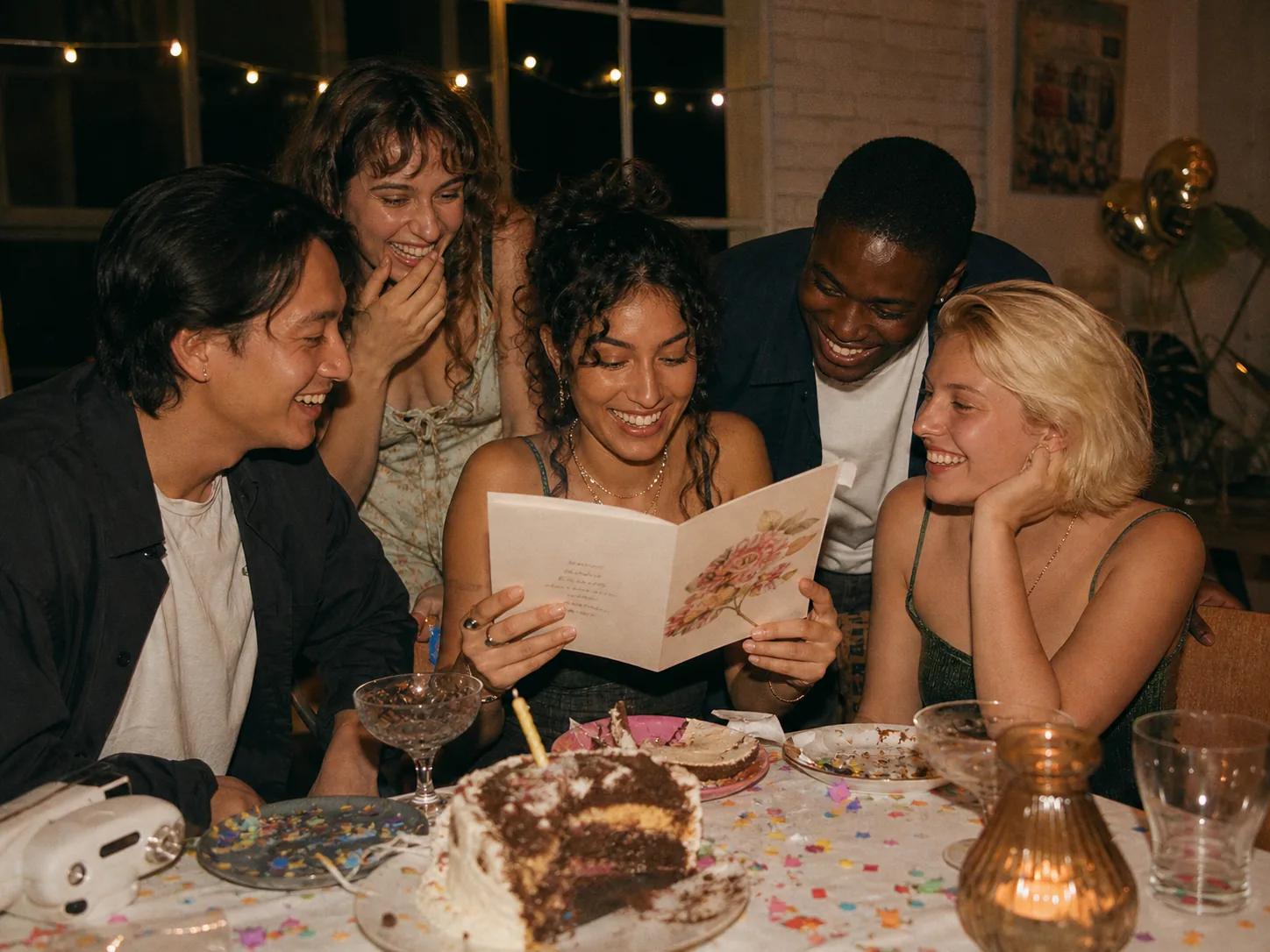
Lena's best friend Maya turned 27. It was a good party — candles, cake, everyone crowded around the kitchen table. At some point, the birthday cards came out. Maya, who lost most of her sight at 19, sat and waited while someone read each card to her out loud.
Lena watched and felt a quiet sting. "She's listening to her own birthday cards." Not reading them. Not holding them privately. Just listening, politely, while everyone else moved on.
On the way home, Lena typed a note into her phone: why isn't there a birthday card she can read herself? She didn't do anything with it for three months. Then she mentioned it to her flatmate Jonas, who happened to be studying product design. He said: "That's actually a really interesting problem."
A lot of failed attempts and one good one
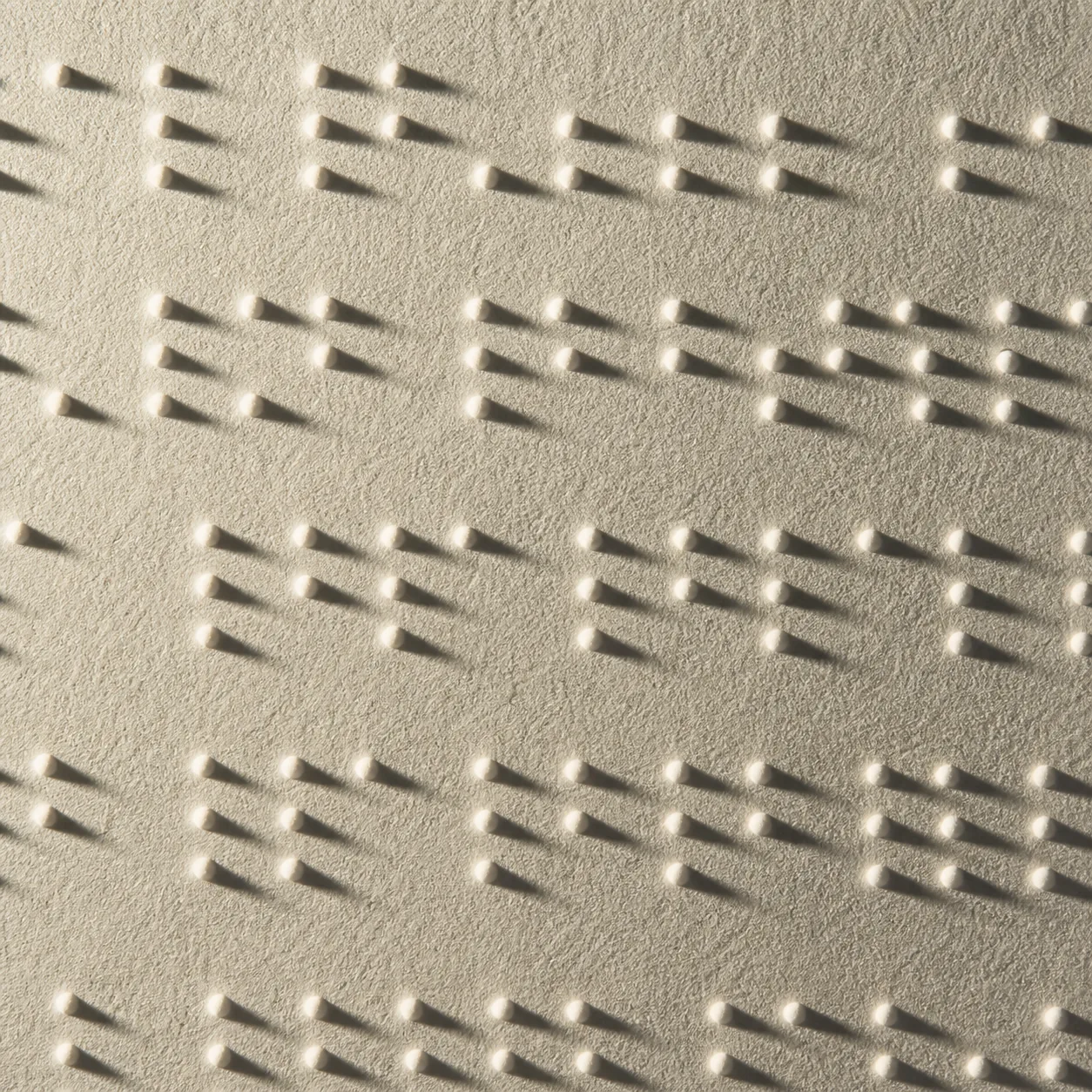
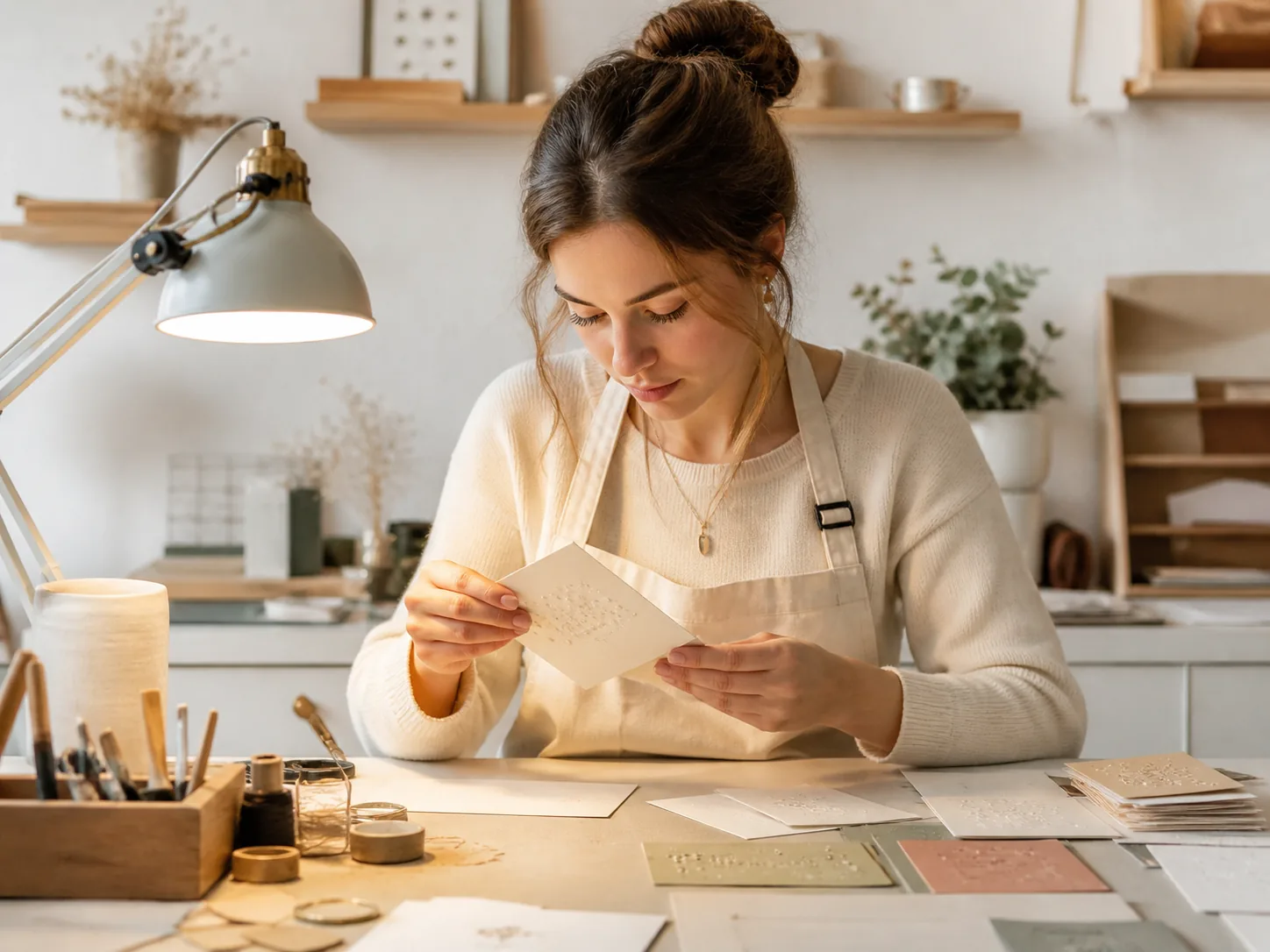
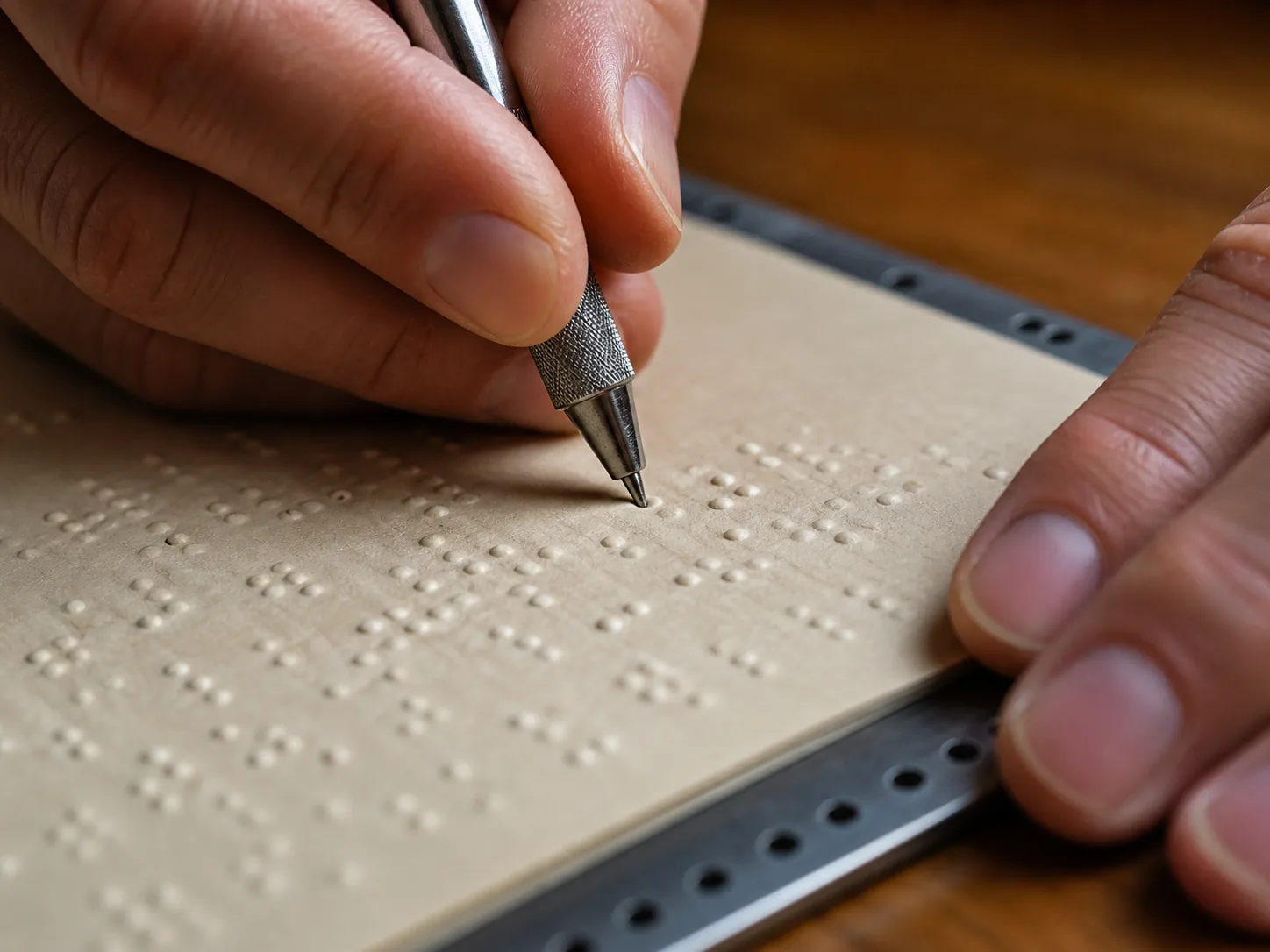
Neither of them knew anything about Braille. Lena studied communication design; Jonas had never embossed anything in his life. Their first attempts looked terrible — dots too shallow to feel, paper too thin to hold the texture, layouts that made no spatial sense to someone reading by touch.
They reached out to DBSV, the German Federation of the Blind, and were connected with Thomas — a Braille transcription specialist who had been working with print-disabled communities for over two decades. He was, in his words, "sceptical but curious."
Thomas became their first collaborator, and eventually their head of Braille quality. He rewrote their process from scratch. The first card that actually worked — readable, sturdy, beautiful — they sent to Maya. She called Lena the next morning.
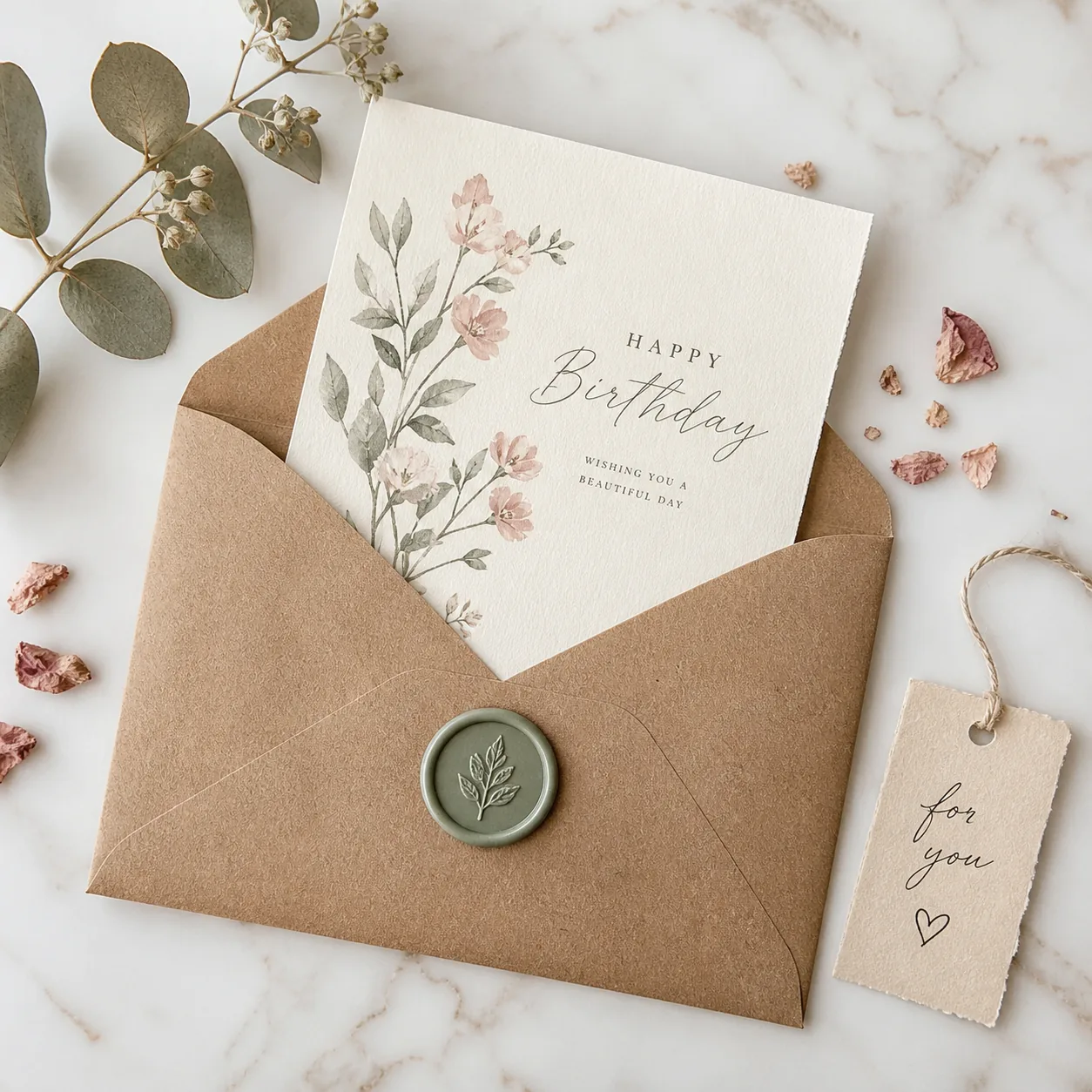
"We shipped 11 orders the first week.
We cried after the third."
TouchCard launched quietly in January 2024 with a small Instagram post and no advertising budget. Within a week, 11 orders had come in. Most were from people in exactly the situation Lena had been in — someone they loved couldn't read standard cards, and they'd never found an alternative.
The emails they received in those early weeks shaped everything that came after. People wrote paragraphs. They shared stories about parents, siblings, friends, partners. One woman ordered a card for her brother and wrote: "He's going to read this himself for the first time in his life. Please make it perfect."
They made it perfect. They still do, for every single order.